
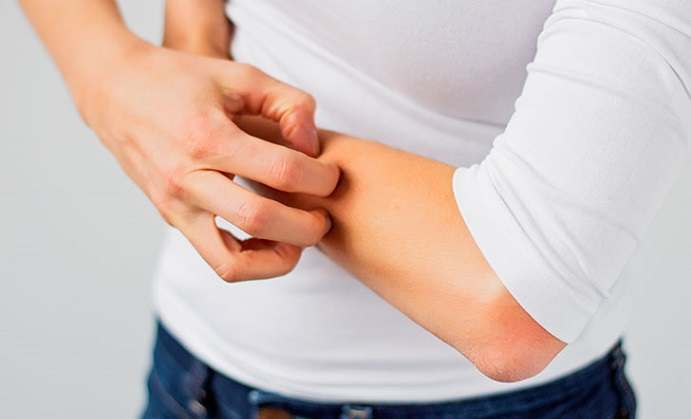
Menopause has been linked to several skin problems due to the fact that menopause can cause a significant decrease in the hormone levels, a result of which can be excessively dry skin. Having dry skin can lead to several types of skin irritation as well. The most common skin problem that menopausal women encounter is dyshidrotic eczema.
The symptoms for dyshidrotic eczema are itchy, red, and dry skin. While treatment for this skin condition normally requires over the counter skin moisturizers only, there are cases where that is not enough. In these instances it is best to consult with a doctor immediately.
Causes of Dyshidrotic Eczema
 The body’s hormone levels shifts throughout our lifetime. During adolescence our hormones jump into overdrive causing our skin to be increasingly oily and more susceptible to acne. Women experience the complete opposite once they get to a certain age. Once they hit their menopausal stage they will experience a significant drop in their hormone levels often leaving their skin quite dry. Another factor that can exacerbate this dryness is certain cleaning products. If you are having issues with extreme skin dryness then try avoiding cleaning products and skin care products that contain alcohol.
Menopause – Effects on the Skin
When it comes to dyshidrotic eczema it is important to note that it is not a case of your skin lacking water or being dehydrated. Even if you drink plenty of water everyday your skin will still experience dryness and this is due to your skin losing most of its ability to maintain moisture. The skin has a natural wall that keeps water contained; having dyshidrotic eczema means that this wall is now filled with holes leaving your skin open to blisters and inflammation.
Symptoms and Treatment
 Diagnosis of dyshidrotic eczema does not usually require laboratory tests; doctors can determine the severity of dyshidrotic eczema by just looking at the affected skin. In order to slow down the effects of dyshidrotic eczema you should opt to use soaps and moisturizers that do not contain alcohol.
Use cleaning products that are made to be gentle on the skin. You should also try and minimize your contact with water as well as contact with powerful cleaning agents.
Remember to apply moisturizers regularly and if inflammation occurs there are several over the counter products that you can use as well. If symptoms persist, then going to your doctor for a check-up is the best course of action. There are cases when hormone treatment is needed for those whose hormone levels drop to dangerously low levels.
Conclusion
Menopause is unavoidable as are any number of health concerns that are linked to it. Prevention is key here and with dyshidrotic eczema it is all about taking proper care of your skin and body before symptoms start to appear.
Do you want to find an effective Menopause treatment? Check out our top rated Menopause products